
Ever walked into a living room and instantly felt calm… but couldn’t explain why?
No fancy décor.
No loud colors.
Just a space that feels right.
Most of the time, the secret isn’t the layout or the lighting.
It’s the materials.
Many homes today feel cold or “too perfect” because they rely heavily on synthetic finishes. Plastic, glossy surfaces, and factory-made textures dominate the space. Over time, that atmosphere can feel tiring instead of relaxing.
That’s where natural materials in the living room come in.
Let’s break it down in a simple, practical way—like talking to a friend who just wants their home to feel better.
What Are Natural Materials in the Living Room?
Natural materials are elements taken directly from nature or minimally processed.
You’ve probably used them before without realizing it.
Common examples include:
- Solid wood
- Stone and marble
- Rattan and bamboo
- Linen and cotton fabrics
- Clay, ceramic, and terracotta
- Leather and wool
In a living room, these materials usually appear in:
- Furniture
- Flooring
- Wall accents
- Textiles
- Decorative items
The goal isn’t to turn your house into a cabin.
It’s about balance—mixing natural textures with modern comfort.
Why Natural Materials Make Living Rooms Feel Better
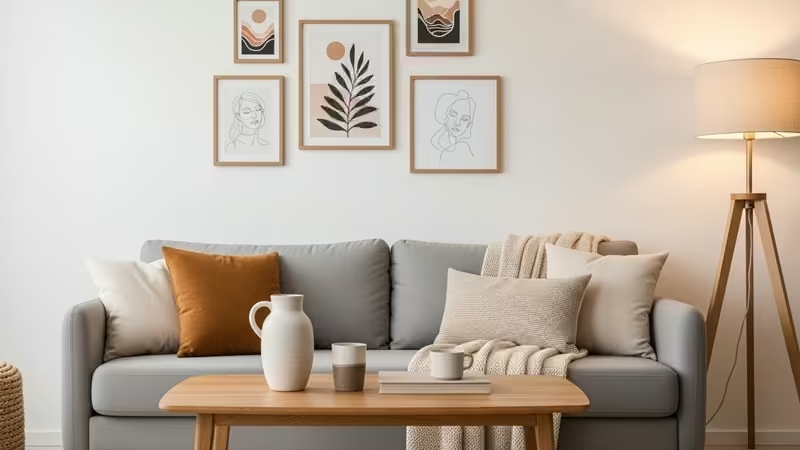
There’s a reason resorts, villas, and cozy cafés rely on natural elements.
They work on a psychological level.
Here’s why they matter:
1. They Create Instant Warmth
Wood and natural fabrics absorb light instead of reflecting it harshly.
That makes the room feel warmer—even without changing the lighting.
2. They Feel More Human
Natural materials aren’t perfectly uniform.
- Wood has grain
- Stone has veins
- Fabric has texture
Those imperfections make a space feel lived-in, not staged.
3. They Age Gracefully
Synthetic materials often look worse over time.
Natural materials usually look better as they age.
A scratched wooden table tells a story.
A scratched plastic surface just looks damaged.
How Natural Materials Work Together in a Living Room
You don’t need to replace everything at once.
Natural materials work best when layered.
Think in terms of zones:
Structural Elements
- Wooden floors
- Stone feature walls
- Exposed beams (if available)
Functional Pieces
- Sofas with linen or cotton upholstery
- Wooden coffee tables
- Rattan or cane chairs
Soft Layers
- Wool rugs
- Linen curtains
- Cotton throw pillows
Decorative Touches
- Ceramic vases
- Clay pots
- Woven baskets
When these layers combine, the room feels grounded and cohesive without trying too hard.
Benefits of Using Natural Materials at Home
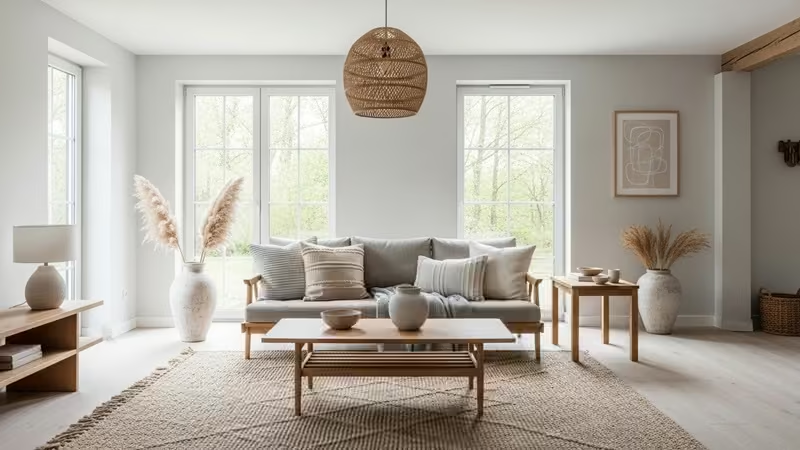
This isn’t just about aesthetics.
There are real, everyday benefits.
More Relaxing Atmosphere
Natural textures reduce visual noise.
Your eyes don’t work as hard, which helps you relax.
Better Indoor Comfort
Materials like wood and fabric regulate temperature better than metal or plastic.
Timeless Style
Trends come and go.
Natural materials rarely feel outdated.
Easier to Mix Styles
They work with:
- Minimalist
- Scandinavian
- Japandi
- Rustic
- Modern organic
If you’re building a cohesive base, natural materials make everything else easier.
Simple Ways to Add Natural Materials (Step by Step)
You don’t need a renovation. Start small.
Step 1: Replace One Synthetic Item
Pick the easiest swap:
- Plastic stool → wooden stool
- Polyester cushion → cotton or linen cushion
Small changes already shift the mood.
Step 2: Add a Wooden Anchor Piece
Every living room benefits from one strong natural focal point:
- Solid wood coffee table
- Wooden TV console
- Reclaimed wood shelf
If you want a deeper reference, you can learn it here in this complete guide on Living Room with Wood Decor.
Step 3: Layer with Natural Textiles
Soft textures prevent the room from feeling stiff.
- Linen curtains
- Wool or jute rug
- Cotton throws
This is where comfort really shows.
Step 4: Bring Nature Closer
Use materials that feel handmade:
- Clay planters
- Stone trays
- Woven baskets
These details add depth without clutter.
Step 5: Keep the Color Palette Calm
Natural materials shine best with:
- Earth tones
- Warm neutrals
- Soft browns and beiges
For inspiration, read the full explanation in this guide to Earth theme living room design.
How Natural Materials Pair with Furniture Colors
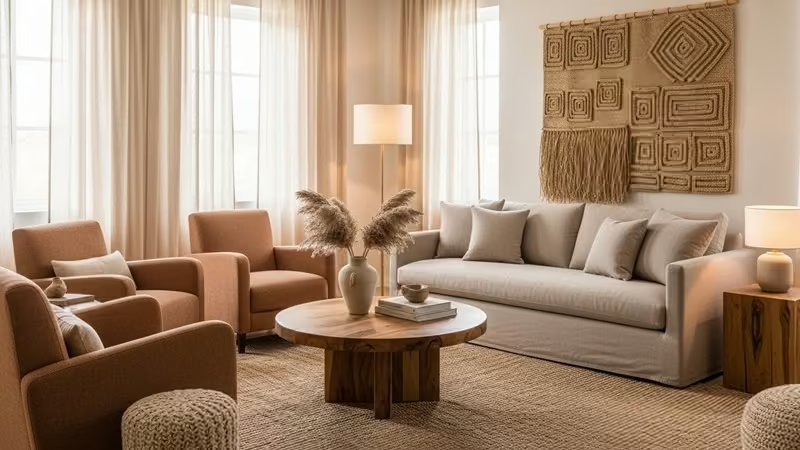
Materials and colors go hand in hand.
Wood, stone, and fabric look best when paired with grounded shades.
Popular combinations:
- Oak wood + beige sofa
- Walnut furniture + cream walls
- Rattan accents + warm gray seating
If you’re unsure how furniture color affects the overall mood, you can learn it here Earth-Colored Furniture in the Living Room.
This approach prevents the room from feeling flat or too monochrome.
Common Mistakes to Avoid
Natural materials are forgiving—but mistakes still happen.
Using Too Many Materials at Once
Wood + stone + rattan + leather + metal can feel chaotic.
Stick to:
- 2–3 main materials
- 1–2 supporting textures
Choosing Fake “Natural” Finishes
Some laminates and plastic rattan look artificial up close.
If it feels fake to the touch, it probably looks fake too.
gnoring Maintenance Needs
Natural materials need care:
- Wood needs protection from moisture
- Stone may need sealing
- Fabric benefits from regular cleaning
Simple household tips can prevent long-term problems.
Over-polishing Everything
A little imperfection is good.
Overly glossy finishes defeat the purpose of natural textures.
Mixing Natural Materials with Modern Design
You don’t have to choose between natural and modern.
They actually work better together.
Try this balance:
- Clean-lined sofa + linen upholstery
- Minimalist layout + wooden furniture
- Neutral walls + textured natural décor
This keeps the space fresh, not old-fashioned.
Things to Note Before You Start
Before changing anything, keep these in mind:
- Natural materials look best in good lighting
- Warm light enhances texture
- Consistency matters more than quantity
- Comfort should always come first
If something looks beautiful but feels uncomfortable, it won’t last.
A Light Closing Thought
Natural materials don’t shout.
They don’t beg for attention.
They quietly make a living room feel calmer, warmer, and more welcoming—day after day.
And once you notice the difference, it’s hard to go back.