Discovering Serenity: The Right Way to Choose Natural Rugs for the Living Room
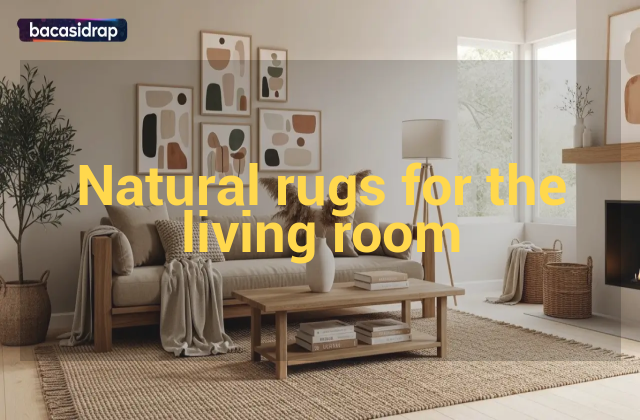
There’s a quiet hum that emanates from a truly well-appointed living room. It’s not just about the sofa you sink into or the art on the walls; it’s a feeling, a harmonious blend of elements that whisper “welcome home.” For many, the missing piece, the grounding foundation, is often a rug. But not just any rug – we’re talking about the understated elegance and earthy comfort of natural rugs for the living room. Imagine stepping barefoot onto a surface that connects you directly to nature, offering texture, warmth, and a unique story. Sounds idyllic, doesn’t it?
Yet, the journey to this domestic bliss isn’t always straightforward. I’ve seen countless tales unfold, from homeowners basking in the glow of a perfectly chosen natural fiber to others left scratching their heads (and sometimes their feet!) over a rug that just… didn’t work. This isn’t just about picking a pretty pattern; it’s about understanding the soul of these fibers, their strengths, their quirks, and how they interact with your life. Today, we’ll navigate the winding path of rug selection, showing you the common missteps and, more importantly, guiding you towards making the ‘right way’ choices that will transform your living room into a sanctuary.
The Allure of Natural Rugs for the Living Room: Why We Love Them
My own fascination with natural rugs began years ago, during a period when my living room felt sterile, almost cold. I had tried synthetic options, vibrant colors that promised joy, but somehow, they always felt… fake. Then, I stumbled upon a small sisal rug in a friend’s home. It wasn’t loud or flashy; instead, it offered a quiet confidence, a grounding presence that instantly calmed the space. It felt authentic, like a piece of the earth had found its way indoors. That moment was a revelation.
What is it about natural rugs for the living room that captivates us? Beyond their undeniable aesthetic appeal, these rugs offer a multitude of benefits that resonate deeply in our increasingly artificial world:
- Eco-Friendly & Sustainable: Sourced from renewable resources like jute, sisal, seagrass, wool, and cotton, they often boast a smaller environmental footprint.
- Unique Texture & Visual Interest: Each fiber tells its own story, offering distinct textures that synthetic materials simply cannot replicate. They add an organic, tactile dimension to your living space.
- Durability & Longevity: Many natural fibers are surprisingly robust, standing up to the demands of a busy living room when chosen correctly.
- Hypoallergenic Properties: Wool, in particular, is excellent at trapping allergens, making it a good choice for allergy sufferers.
- Timeless Style: Natural materials possess an inherent, enduring beauty that transcends fleeting trends, blending seamlessly with various decor styles from bohemian to minimalist.
- Natural Insulation: They add a layer of warmth and sound absorption, making your living room more comfortable and quieter.
But here’s the catch: not all natural rugs are created equal, and not every natural rug is right for every living room. This is where the journey from ‘wrong way’ to ‘right way’ truly begins.
The Crossroads of Choice: Wrong Turns vs. Guided Paths
The Wrong Way: Rushing into a Rug Romance
I once knew a couple, let’s call them Sarah and Tom, who were furnishing their first home. They found a stunning, oversized jute rug online – beautiful picture, incredible price. Without a second thought, they clicked ‘buy’. When it arrived, their excitement quickly turned to dismay. It was too big, swallowing their cozy living room whole. The material, while lovely, felt coarse underfoot in their busy family area, and within weeks, it started showing significant wear and tear from their dog and two young children. They’d fallen into the classic trap of a ‘rug romance’ based solely on aesthetics and price, neglecting the practicalities of their life. Here are some common missteps:
- Ignoring Size: The Postage Stamp or The Ocean:
- The Wrong Way: Choosing a rug that’s too small (the infamous “postage stamp” effect, where only the coffee table sits on it) or one that’s too large, leaving no border of flooring around the edges. This creates visual imbalance and makes the room feel either disconnected or cramped.
- Forgetting Function: Pretty but Impractical:
- The Wrong Way: Selecting a delicate, high-pile wool rug for a high-traffic entryway or a scratchy sisal for a playroom where children will spend hours on the floor. Function should always be a primary consideration.
- Neglecting Material Properties: The Unpleasant Surprise:
- The Wrong Way: Buying a seagrass rug for a sunny spot without realizing its susceptibility to fading, or choosing an untreated jute rug in a humid climate, leading to mildew issues. Each fiber has its personality; ignoring it leads to disappointment.
- Disregarding Existing Decor: The Clash of the Titans:
- The Wrong Way: Introducing a heavily textured, rustic natural rug into a sleek, modern minimalist living room without considering how the styles would interact. The result can be jarring rather discount the room’s overall aesthetic.
- Overlooking Maintenance Needs: The Burden of Beauty:
- The Wrong Way: Opting for a light-colored, loosely woven cotton rug in a home with pets or children, only to find yourself constantly battling stains and dirt. Every rug requires care; some simply demand more.
The Right Way: A Thoughtful Approach to Natural Rug Selection
Now, let’s look at Liam, who approached his rug search with a clear head and a methodical plan. His living room was the heart of his home – a place for movie nights, board games, and quiet reading. He wanted something durable, pet-friendly, and stylish. He took his time, did his research, and ended up with a gorgeous, resilient wool-jute blend that perfectly complemented his decor and stood up to daily life. Here’s how he did it, and how you can too:
- Define Your Living Room’s Purpose and Traffic:
- The Right Way: Is your living room a formal entertaining space or a busy family hub? Does it see daily spills and pet activity, or is it a quiet sanctuary? High-traffic areas need durable, stain-resistant fibers (sisal, wool blends), while low-traffic zones allow for more delicate textures (some cottons, softer jutes).
- Master the Art of Sizing: The Foundation of Good Design:
- The Right Way: This is perhaps the most crucial step. A rug should anchor your furniture, not float beneath it.
- Option 1 (Most Common): All major furniture pieces (sofa, armchairs) have their front legs on the rug. This creates a cohesive “zone.”
- Option 2 (Larger Rooms): All furniture pieces are entirely on the rug. This requires a very large rug and works well in open-plan spaces.
- Option 3 (Smaller Rooms/Budget-Friendly): Only the coffee table and perhaps the front legs of the sofa are on the rug. Ensure the rug extends at least 6-12 inches beyond the ends of your sofa.
Here’s a helpful guide for common living room sizes:
Room Size (Approx.) Recommended Rug Size(s) Notes Small (10′ x 12′) 5′ x 7′ or 6′ x 9′ Front legs of main furniture on rug. Medium (12′ x 15′) 8′ x 10′ or 9′ x 12′ All major furniture front legs on, or fully on for a more anchored look. Large (14′ x 18’+) 9′ x 12′ or 10′ x 14′ Often all furniture fully on rug, or substantial front-leg placement. - The Right Way: This is perhaps the most crucial step. A rug should anchor your furniture, not float beneath it.
- Understand Natural Fiber Characteristics: Know Your Material:
- The Right Way: Each natural fiber has its own personality, influencing comfort, durability, and maintenance. Do your research!
Let’s delve into some popular choices for natural rugs for the living room:
Material Texture Durability (Traffic) Key Characteristics & Best For Jute Soft to moderately coarse, varying weaves Moderate to High Earthy, golden tones. Can shed. Best for moderate-traffic areas, layering. Adds warmth. Sisal Very coarse, structured, slightly prickly High Extremely durable, low pile. Excellent for high-traffic areas, clean lines. Can be slippery. Seagrass Smooth, slightly waxy, flat weave High Repels stains, moisture resistant (within limits). Great for busy areas, coastal vibes. Cannot be dyed easily. Wool Soft, plush, various pile heights High Luxurious, naturally stain-resistant, flame-retardant, insulative. Excellent for comfort and longevity. Some shedding. Cotton Soft, various weaves (flat-weave, chenille) Low to Moderate Washable (smaller sizes), vibrant colors possible. Best for lower-traffic areas or layering. Can stain easily. - Harmonize with Your Existing Style: The Unifying Element:
- The Right Way: Consider your living room’s existing color palette, furniture styles, and overall aesthetic.
- Modern/Minimalist: Flat-weave sisal or subtle jute can add texture without overwhelming.
- Bohemian/Eclectic: Layered jute, cotton dhurries, or textured wool rugs work beautifully.
- Farmhouse/Rustic: Braided jute, chunky wool, or natural-toned sisal.
- Traditional/Transitional: Classic wool rugs (Persian-inspired or solid textures) fit seamlessly.
Natural rugs for the living room tend to be neutral in color, making them versatile. Use texture and weave to create interest.
- The Right Way: Consider your living room’s existing color palette, furniture styles, and overall aesthetic.
- Plan for Care and Longevity: A Lifetime Investment:
- The Right Way: Understand the maintenance requirements before you buy. Some natural fibers are easier to clean than others, and specific care instructions are vital for preserving their beauty and lifespan. We’ll dive deeper into this next.
Beyond the Unboxing: Living with Your Natural Rug
The moment of unrolling your new natural rug for the living room is exciting. But the story doesn’t end there. How you live with and care for your rug dictates its longevity and how much joy it brings to your home.
The Wrong Way: Set It and Forget It
I remember visiting a friend whose beautiful jute rug, once the centerpiece of her living room, had become a collection of forgotten crumbs, pet hair, and mysterious stains. She loved the look, but the upkeep was, for her, an afterthought. This “set it and forget it” mentality is a common pitfall:
- Ignoring Spills: Allowing liquids to soak into natural fibers, which can be difficult to clean once dried.
- Infrequent Vacuuming: Letting dirt and dust accumulate deep within the fibers, which can abrade them over time.
- Using Wrong Cleaning Products: Applying harsh chemicals or excessive moisture, leading to discoloration, shrinkage, or damage.
- No Rug Pad: Forgoing a rug pad, which leads to slipping, faster wear, and a less comfortable feel.
The Right Way: Nurturing Your Natural Beauty
Treating your natural rug with a little love and attention will ensure it remains a cherished part of your living room for years. Here are the right ways to care for your natural beauty:
- Invest in a Quality Rug Pad:
- Essential for preventing slipping, adding cushioning, and extending the life of your rug by absorbing impact and preventing dirt from grinding into the fibers.
- Regular Vacuuming:
- Vacuum frequently (1-2 times a week for high-traffic, less for low-traffic) using a brush attachment or suction-only setting (avoiding beater bars on delicate weaves like loose jute or sisal to prevent damage).
- Vacuum both sides if possible, to remove trapped dirt.
- Immediate Spill Treatment:
- Blot, don’t rub! Use a clean, white cloth to absorb liquids. Work from the outside of the spill inwards to prevent spreading.
- For specific stains, consult the manufacturer’s cleaning guide or seek professional advice. Many natural fibers react poorly to water saturation.
- Rotate Your Rug:
- Every 6-12 months, rotate your rug 180 degrees to ensure even wear from foot traffic and sun exposure.
- Shake Out Smaller Rugs:
- For smaller natural rugs, take them outside and give them a good shake to dislodge loose dirt.
- Address Shedding:
- Some natural fibers (especially jute and wool) may shed initially. This is normal. Regular vacuuming will help reduce it over time.
- Professional Cleaning:
- For deeper cleaning or stubborn stains, always consult a professional rug cleaner experienced with natural fibers. They have the expertise and specialized tools to clean without causing damage.
- Sun Exposure:
- Be mindful of prolonged direct sunlight, which can fade certain natural fibers like jute and seagrass. Use blinds or rotate rugs more frequently if placed in sunny spots.
- Q1: Are natural rugs scratchy or uncomfortable underfoot?
- A1: It depends on the fiber! Sisal is quite coarse and structured, while jute can range from moderately soft to quite plush, especially finer weaves. Wool and cotton are generally very soft. If comfort is a top priority for your living room, consider jute or wool options, or a blend that incorporates softer fibers.
- Q2: Do natural rugs shed a lot?
- A2: Some natural fibers, particularly jute and wool, can experience initial shedding. This is normal and usually diminishes with regular vacuuming over the first few weeks or months. Sisal and seagrass tend to shed very little.
- Q3: Can I use natural rugs in homes with pets and children?
- A3: Absolutely, but choose wisely! Durable, easy-to-clean options like sisal or seagrass are excellent for high-traffic family areas due to their stain resistance and robustness. Wool is also a good choice as it’s naturally stain-resistant and durable. Jute can work, but may show wear more quickly. Avoid delicate weaves or very light colors.
- Q4: How do I clean a spill on my natural rug?
- A4: Act immediately! Blot, don’t rub, with a clean, white cloth. For most natural fibers, water can cause discoloration or mildew, so avoid saturating the rug. For specific stains, a dry cleaning powder or a very mild, diluted solution (test in an inconspicuous spot first) might be used, followed by blotting dry. Always consult the manufacturer’s care instructions or a professional cleaner for best results.
- Q5: Are natural rugs suitable for humid climates?
- A5: Some are better than others. Seagrass is naturally more moisture-resistant and can tolerate some humidity. Untreated jute and sisal can be susceptible to mildew in consistently high humidity if not properly ventilated. Wool is generally good in varying climates due to its natural breathability. Ensure good airflow in your living room.
- Q6: How long do natural rugs last?
- A6: With proper care and selection for the right traffic level, natural rugs can last many years. Durable fibers like sisal and wool can last 10-15 years or more. Jute and cotton might have a slightly shorter lifespan (5-10 years) depending on quality and usage, but still offer excellent value and beauty.
Frequently Asked Questions about Natural Rugs for the Living Room
Here are some common questions I hear about natural rugs, answered to help you make informed decisions:
Your Living Room’s Next Chapter: A Story of Comfort and Style
The journey to finding the perfect natural rugs for the living room doesn’t have to be a tale of trial and error. By understanding the unique character of each fiber, knowing the ‘right way’ to approach sizing and placement, and committing to simple care routines, you can avoid the common pitfalls and instead create a space that truly reflects your style and values.
These aren’t just floor coverings; they are grounding elements, pieces of the earth brought indoors to foster comfort, texture, and a sense of calm. They connect us to the natural world, offering a quiet luxury that speaks volumes. So, take a moment, observe your living room, feel the space, and envision the natural rug that will anchor it all. Measure your space, consider your lifestyle, and embrace the thoughtful process. The right natural rug is waiting to tell its story in your home. Are you ready to begin its next chapter?
Ready to transform your living room? Explore the diverse world of natural rugs and find the perfect foundation for your sanctuary today!