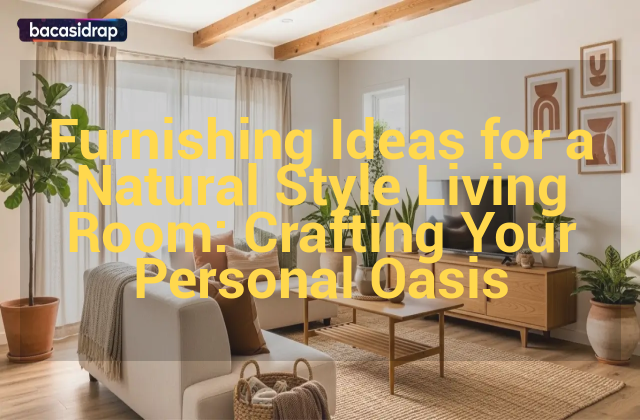
Imagine stepping into a space where the outside world melts away. A room filled with the gentle whispers of nature, where textures invite your touch, and colors soothe your soul. This isn’t just a dream; it’s the promise of a natural style living room. In an increasingly digital and fast-paced world, many of us yearn for a sanctuary – a place to reconnect, relax, and breathe. A living room designed with natural elements offers exactly that: a tranquil haven that nurtures well-being and brings the calming essence of the outdoors, indoors.
But how does one achieve this harmonious balance? It’s more than just throwing a few plants in a corner. Creating a truly natural living room involves thoughtful choices, from the major furniture pieces to the smallest decorative accents. And, like any design endeavor, there are common pitfalls that can inadvertently steer your vision off course, transforming serene into sterile, or organic into uninspired.
This comprehensive guide will explore practical and inspiring Furnishing Ideas for a Natural Style Living Room, helping you navigate the design landscape with confidence. We’ll delve into the core principles, reveal the best materials, lighting, and accessories, and crucially, highlight the common mistakes to avoid so you can craft a space that feels authentically you, a true reflection of nature’s calming embrace.
The Whispers of the Wild: Understanding Natural Style
At its heart, natural style isn’t just an aesthetic; it’s a philosophy. It’s about celebrating authenticity, embracing imperfections, and fostering a deep connection to the earth. When we talk about natural style, we’re envisioning a living room that:
- Embraces Organic Materials: Think wood, stone, rattan, bamboo, jute, linen, cotton, wool, and ceramic. These materials bring texture, warmth, and a sense of grounding.
- Favors Earthy, Muted Color Palettes: Drawing inspiration from landscapes – forest greens, sky blues, sandy beiges, warm greys, and terracotta reds.
- Prioritizes Comfort and Functionality: Natural spaces are meant to be lived in, offering solace and practical use without sacrificing beauty.
- Invites Natural Light: Maximizing sunlight and using warm, layered artificial lighting to create an inviting glow.
- Incorporates Greenery: Bringing actual plants into the space to enhance air quality and visual appeal.
The beauty of this style lies in its versatility. It can lean rustic, bohemian, minimalist, or even subtly modern, all while maintaining its fundamental connection to nature. Our journey through Furnishing Ideas for a Natural Style Living Room will ensure you find your unique path within this broad, inspiring aesthetic.
Laying the Foundation: The Canvas of Your Natural Living Room
Before you even think about furniture, it’s essential to set the stage. The colors and textures of your walls and floors are the backdrop against which all your other natural elements will shine.
Color Palette: Earth’s Gentle Hues
Choosing the right colors is perhaps the most crucial first step. Natural style living rooms thrive on a palette inspired directly by the outdoors.
- Neutrals are Your Best Friends: Whites, creams, off-whites, warm beiges, and soft greys form the backbone. These colors create a serene, expansive feel and allow natural textures and accent colors to truly pop. Think of the subtle variations in sand or river stones.
- Subtle, Nature-Inspired Accents: Introduce color through muted greens (sage, olive, moss), soft blues (sky blue, dusty blue, seafoam), terracotta, or even deep, earthy browns. These should feel organic and derived from nature, not artificial or overly saturated.
Mistake to Avoid: Overly Stark Whites or Vibrant, Unnatural Colors. While white can feel fresh, a true natural style often benefits from warmer, creamier whites that avoid a sterile, clinical feel. Similarly, avoid bold, artificial hues like neon green or electric blue. These clash with the organic, calming vibe you’re trying to create. Stick to colors you’d genuinely find in a natural landscape.
Embracing Texture: A Feast for the Senses
Texture is arguably as important as color in a natural style living room. It adds depth, warmth, and visual interest, inviting touch and creating a tactile experience.
- Walls: Consider limewash paint for a soft, matte, textured finish, or even subtle grasscloth wallpaper for an added layer of natural tactility.
- Flooring: Hardwood floors (light to medium tones), bamboo, or large, natural fiber rugs (jute, sisal, wool) are ideal. If you have existing carpet, opt for neutral, low-pile options.
Mistake to Avoid: A Flat, One-Dimensional Space Due to Lack of Texture. A room with only smooth, uniform surfaces can feel cold and uninviting, even if the colors are natural. Layering different textures prevents this flatness. Imagine a smooth ceramic vase next to a chunky knit throw on a linen sofa, all sitting on a woven jute rug. Each element contributes its unique touch.
Curating Comfort: Furniture Ideas for a Natural Style Living Room
Your furniture pieces are the main anchors of your living room, defining its function and overall feel. For a natural style, the emphasis is on comfort, durability, and materials that tell a story.
The Heart of the Room: Seating
The sofa, armchairs, and other seating define the comfort level and primary gathering spots.
- Material Choices:
- Upholstery: Linen, organic cotton, hemp, or wool in neutral tones are perfect. These fabrics breathe well, have beautiful natural textures, and age gracefully.
- Frames: Look for solid wood (oak, ash, maple, teak) with visible grains, rattan, bamboo, or wicker. These natural materials instantly evoke a connection to the outdoors.
- Shapes and Forms: Opt for soft, organic lines over sharp, angular designs. Curved sofas, armchairs with rounded edges, and plush cushions contribute to an inviting, comfortable aesthetic. Remember, comfort is key – a natural living room is meant for relaxation.
- Sustainability: Where possible, choose furniture made from sustainably sourced or recycled materials. This aligns perfectly with the ethos of natural design.
Mistake to Avoid: Choosing Overly Modern, Synthetic, or Heavy, Dark Pieces. A sleek, chrome-framed sofa upholstered in synthetic microfiber, or a massive, dark leather sectional, will clash with the light, airy, and organic feel you’re trying to create. Avoid high-gloss finishes or synthetic materials that lack the natural tactile quality. Also, be wary of pieces that feel too formal; natural style is about relaxed elegance.
Supporting Stars: Tables and Storage
Coffee tables, side tables, and storage solutions are not just functional; they are opportunities to further infuse natural beauty.
- Coffee Tables:
- Live-Edge Wood: A single slab of wood with its natural edges preserved becomes a stunning focal point, celebrating the tree’s unique form.
- Rattan or Woven Tables: Add a light, airy, and textured element.
- Stone or Concrete: A raw, unfinished concrete or a beautiful stone slab (like travertine or slate) can introduce a grounding, earthy weight.
- Reclaimed Wood: Furniture made from reclaimed wood tells a story and adds character.
- Side Tables: Small tree stumps, woven stools, or simple wooden tables complement the main seating.
- Storage:
- Woven Baskets: Excellent for storing blankets, magazines, or children’s toys, adding texture and hiding clutter.
- Open Shelving: Made from reclaimed wood or simple timber, allowing you to display curated natural objects or plants.
- Buffet or Console Tables: Solid wood pieces with minimal ornamentation work best.
Mistake to Avoid: Glossy Finishes, Particle Board, or Pieces That Don’t Complement the Natural Aesthetic. Avoid tables with high-gloss lacquered surfaces or those made from cheap particle board with artificial laminates. These detract from the authentic, organic feel. Steer clear of overly ornate or mass-produced plastic pieces that lack character and connection to nature.
The Soft Touch: Textiles and Soft Furnishings
Textiles are where your natural style really comes to life, adding layers of comfort, warmth, and visual softness.
Draping Your Space in Nature’s Embrace
- Curtains and Window Treatments:
- Sheer Linen or Cotton: Allows maximum natural light to filter in while providing a soft, airy texture.
- Unbleached Fabrics: Enhance the raw, natural appeal.
- Bamboo Blinds or Wooden Shutters: Offer privacy while maintaining the organic theme.
- Rugs:
- Jute, Sisal, Seagrass: These natural fiber rugs are highly durable, eco-friendly, and bring incredible texture and an earthy foundation to your living room. They are excellent for layering.
- Wool or Organic Cotton: Soft underfoot, available in beautiful natural hues, and add warmth. Consider a textured wool rug for added interest.
- Cushions and Throws:
- Linen, Wool, Knitted Cotton: Use a variety of textures for throw pillows and blankets. Think chunky knits, delicate weaves, and woven patterns.
- Faux Fur (Ethically Sourced): A high-quality faux fur throw can add a touch of luxurious warmth and mimic animal textures in a humane way.
- Subtle Patterns: Botanical prints, abstract organic shapes, or simple stripes can add interest without overwhelming the natural vibe.
Mistake to Avoid: Synthetic Fabrics, Overly Bold Patterns, or Neglecting the Floor with a Synthetic Rug. Polyester, acrylic, or other synthetic fabrics often lack the breathable quality and rich texture of natural fibers. Avoid garish or brightly colored patterns that feel out of place in a serene, natural setting. A cheap, synthetic rug can instantly cheapen the entire look, failing to provide that crucial earthy foundation.
Table: Natural Textile Guide for Your Living Room
| Textile | Characteristics | Best Use in Natural Style |
|---|---|---|
| Linen | Breathable, durable, slightly crinkled texture, drapes beautifully. | Curtains, sofa upholstery, throw pillow covers, table runners. |
| Cotton (Organic) | Soft, versatile, easy to clean, wide range of weaves and textures. | Sofa upholstery, throws, cushion covers, rugs, blankets. |
| Wool | Warm, durable, resilient, natural temperature regulator, luxurious feel. | Rugs (especially chunky knits), throws, cushion covers. |
| Jute/Sisal/Seagrass | Highly textured, durable, natural scent, eco-friendly, grounding. | Area rugs (layered or standalone), storage baskets, poufs. |
| Hemp | Extremely strong, durable, sustainable, softens with age, similar to linen. | Upholstery, throws, cushion covers, natural fiber blinds. |
| Bamboo (Fabric) | Soft, smooth, often has a subtle sheen, eco-friendly. | Sheer curtains, lightweight throws. |
Illuminating Serenity: Lighting for Your Natural Sanctuary
Lighting profoundly impacts the mood and functionality of your living room. For a natural style, the goal is to create a warm, inviting glow that mimics natural light cycles.
Harnessing Light: Natural and Artificial
- Maximize Natural Light:
- Keep windows uncluttered. Use sheer curtains or simple blinds that can be easily opened.
- Position furniture to allow light to flow freely.
- Consider a large mirror opposite a window to amplify light and create an illusion of space.
- Layered Artificial Lighting: A single overhead light is rarely sufficient. Employ a mix of ambient, task, and accent lighting.
- Ambient: General room illumination.
- Task: For reading or specific activities (e.g., a floor lamp next to an armchair).
- Accent: To highlight artwork, plants, or architectural features (e.g., spotlights, picture lights).
- Warm Light Temperatures: Use bulbs with a warm color temperature (around 2700K-3000K). This mimics the warm glow of sunset and makes the space feel cozier and more natural.
Fixtures that Harmonize with Nature
Your light fixtures themselves should contribute to the natural aesthetic.
- Pendant Lights: Woven materials like rattan, bamboo, or wicker create beautiful light patterns and add organic texture. Ceramic pendants with earthy glazes also work well.
- Table and Floor Lamps: Look for bases made from raw wood, ceramic, concrete, or stone. Shades should be natural fabrics like linen or cotton.
- Sconces: Simple wooden or plaster sconces can provide subtle ambient light.
Mistake to Avoid: Harsh, Cold Lighting, Single Overhead Light Source, Plastic or Metallic, Industrial Fixtures. Fluorescent lights or cool-toned LED bulbs (above 3500K) can make a natural space feel unwelcoming and artificial. Relying solely on a bright overhead light creates harsh shadows and lacks depth. Avoid fixtures made from shiny plastic, highly polished metals, or those with an industrial aesthetic, as they clash with the organic feel of natural style.
Bringing the Outdoors In: Greenery and Natural Elements
No discussion of Furnishing Ideas for a Natural Style Living Room would be complete without talking about plants and organic accents. These are the elements that truly bridge the gap between your indoor space and the natural world.
The Breath of Life: Plants
Plants don’t just look good; they improve air quality, reduce stress, and bring undeniable life to a room.
- Strategic Placement:
- Large Floor Plants: A majestic Fiddle Leaf Fig, a sprawling Monstera, or a tall Snake Plant can act as a natural focal point.
- Smaller Plants: Group smaller plants (Pothos, ZZ Plant, succulents) on shelves, coffee tables, or window sills.
- Hanging Plants: Spider plants or String of Pearls in macramé hangers add vertical interest and a bohemian touch.
- Planters that Complement:
- Terracotta and Ceramic: Earthy, porous, and classic choices.
- Woven Baskets: Hide plastic nursery pots and add texture.
- Unglazed Pottery: Offers a raw, artisanal feel.
Mistake to Avoid: Fake Plants (Unless High Quality and Sparingly Used), Neglecting Plant Care, Over-Crowding. While a few high-quality faux plants can work in dimly lit corners, an abundance of obviously fake greenery undermines the “natural” aesthetic. Worse, neglected, dying plants create a depressing atmosphere. On the other hand, too many plants can make a room feel cluttered and jungle-like, rather than serene. Choose wisely, care for them, and provide enough space for them to thrive.
Organic Accents: The Finishing Touches
These are the details that layer personality and character into your natural living room.
- Found Objects: Driftwood pieces, smooth river stones, interesting shells collected from a beach, or a beautiful natural branch can be sculptural elements.
- Hand-Crafted Items: Pottery, ceramics, woven wall hangings, and artisanal wood carvings celebrate human connection to natural materials and craftsmanship.
- Scent and Sound: Beeswax candles offer a warm glow and natural scent. A small tabletop water feature can add soothing sounds.
- Books and Art: Choose books with natural history themes or beautiful covers. Artwork can include botanical prints, landscapes, abstract nature-inspired pieces, or pressed flowers. Frame them in simple wood.
- Mirrors: Wood-framed or unframed mirrors add light and depth, reflecting your beautiful natural space.
Mistake to Avoid: Mass-Produced Plastic Decor, Excessive Clutter, Incongruous Decorative Styles. Avoid knick-knacks made from synthetic materials that scream “factory-produced.” A natural space thrives on curation, not accumulation. Resist the urge to fill every surface. Also, ensure your decorative items align with the natural aesthetic; a flashy, metallic sculpture will look out of place.
Common Pitfalls and How to Sail Clear
Even with the best intentions and the most beautiful Furnishing Ideas for a Natural Style Living Room, it’s easy to stumble. Here are common mistakes and how to avoid them.
The “Too Much” Trap: Overdoing the Natural Look
It’s possible to have too much of a good thing. A room where *every* single item is made of rattan, or where *all* surfaces are raw wood, can feel monotonous rather than harmonious.
How to Avoid: Balance is key. Mix different natural materials. Combine smooth wood with rough stone, soft linen with chunky wool. Introduce subtle variations in texture and finish. A rattan chair can sit alongside an upholstered sofa, a stone coffee table, and a wooden side table. The goal is variety within the natural spectrum.
Neglecting Functionality for Form
A beautiful living room that isn’t comfortable or practical will ultimately fail to serve its purpose. Natural style is about creating a space to *live* in, not just to look at.
How to Avoid: Always prioritize comfort. Sit on sofas and chairs before buying them. Ensure tables are at a comfortable height. Make sure there’s enough storage to keep clutter at bay. Think about how you actually use your living room – reading, entertaining, relaxing – and furnish it accordingly.
Ignoring Scale and Proportion
Even the most beautiful furniture won’t look right if it’s the wrong size for your space. A tiny rug in a large room, or an oversized sofa in a small space, will throw off the balance.
How to Avoid: Measure, measure, measure! Map out furniture placement using painter’s tape on the floor. Ensure rugs are large enough to encompass at least the front legs of all major seating pieces. Consider the vertical space too – tall plants or floor lamps can draw the eye upwards in rooms with high ceilings.
Table: Common Natural Style Decor Mistakes & Solutions
| Mistake | Description | Solution |
|---|---|---|
| Monotonous Materials | Overuse of a single natural material (e.g., everything is rattan). | Layer different natural textures: wood, linen, wool, ceramic, stone, jute. |
| Lack of Contrast | Everything is the same muted color, leading to a bland, flat look. | Introduce subtle color accents (e.g., sage green, terracotta) and varied textures to create visual depth. |
| Ignoring Comfort | Choosing aesthetically pleasing but uncomfortable furniture. | Prioritize comfortable seating with natural upholstery; add plush throws and cushions. |
| Clutter Accumulation | Too many small decorative items detract from serenity. | Curate your accessories; choose a few meaningful, naturally inspired pieces and utilize woven baskets for storage. |
| Poor Lighting | Harsh, cold overhead lighting or insufficient illumination. | Layer warm-toned ambient, task, and accent lighting. Maximize natural light. |
| Fake Greenery Overload | Reliance on low-quality artificial plants instead of real ones. | Invest in real, healthy plants. If using faux, choose high-quality ones sparingly. |
Crafting Your Natural Oasis: A Step-by-Step Approach
Embarking on a design project can feel overwhelming. Here’s a simple, logical progression for implementing these Furnishing Ideas for a Natural Style Living Room:
- Define Your Specific “Natural” Aesthetic: Natural style is broad. Do you lean more rustic farmhouse, minimalist Scandinavian, or bohemian? Having a clearer sub-style will guide your choices.
- Assess Your Current Space and Declutter: Remove anything that doesn’t serve a purpose or bring you joy, especially items that clash with a natural aesthetic. A clean slate is essential for natural serenity.
- Start with the Largest Pieces: Invest in your sofa and a main area rug first. These define the zone and set the primary color and texture palette.
- Layer in Textures and Lighting: Add curtains, throw pillows, blankets, and your various lighting fixtures (floor lamps, table lamps, pendants). This is where the room truly begins to feel cozy and complete.
- Introduce Greenery and Personal Touches: Bring in your plants, carefully chosen artwork, artisanal pottery, and found natural objects. These are the elements that inject personality and life.
- Live with It, Adjust as Needed: Design is an iterative process. Spend time in your newly furnished room. Does it feel right? Is anything missing? Are there too many items? Be open to tweaking and refining over time.
FAQ: Your Questions on Natural Style Living Rooms Answered
We’ve covered a lot of ground, but you might still have some lingering questions. Here are some common queries about Furnishing Ideas for a Natural Style Living Room:
Q1: Can a natural style living room be modern?
A: Absolutely! Natural style can seamlessly blend with modern aesthetics. Think clean lines, minimalist furniture forms, and a focus on functionality, but executed with natural materials like light woods, concrete, linen, and wool. Keep accessories sparse and intentional, and choose plants with sculptural forms. The key is combining the warmth and authenticity of nature with the simplicity and functionality of modern design.
Q2: What’s the best way to introduce color without losing the natural feel?
A: The trick is to use color sparingly and through natural, muted tones. Think soft sage greens, dusty blues, terracotta, or even deep, earthy browns. Introduce these colors through accent pieces like throw pillows, a ceramic vase, a piece of art, or a small area rug. Avoid vibrant, artificial, or neon colors. The goal is to evoke nature’s own subtle palette, not to overpower it.
Q3: Are natural materials durable enough for a busy living room, especially with kids or pets?
A: Many natural materials are incredibly durable! Solid wood, for example, can withstand heavy use and can be refinished. Linen and organic cotton are robust and can be easily cleaned. Wool rugs are naturally stain-resistant and long-lasting. Jute and sisal are extremely tough for high-traffic areas. The key is choosing the right natural material for the specific use. For example, a heavily textured wool rug might be more forgiving of spills than a delicate silk. Also, consider performance natural fabrics that are treated for stain resistance without compromising their natural feel.
Q4: How do I make a small living room feel natural and spacious?
A: For small spaces, focus on light colors, minimalist furniture, and maximizing natural light. Use pale, earthy tones on walls and floors to create an expansive feel. Opt for furniture with slender legs or open bases (like rattan chairs) to allow sightlines through the room. Incorporate mirrors to reflect light and create depth. Choose a few well-placed plants, rather than many small ones, to avoid clutter. Vertical elements like tall, slender floor lamps or hanging plants can draw the eye upwards, making the ceiling feel higher.
Q5: What are some budget-friendly options for achieving a natural look?
A: Achieving a natural look doesn’t have to break the bank! Look for second-hand wooden furniture that you can restore or paint. Upcycle existing pieces with natural fabric slipcovers. Incorporate affordable natural elements like woven baskets, terracotta pots, and foraging for driftwood or interesting stones. DIY macramé plant hangers or woven wall art can add texture. Thrift stores, flea markets, and online marketplaces are treasure troves for unique, natural pieces. Focus on key elements like natural fiber rugs and then layer in more affordable accents.
Q6: Can I mix natural style with other design styles?
A: Absolutely! Natural style is highly adaptable. It provides an excellent base for mixing with other aesthetics. For instance, combine natural elements with minimalist design for a serene, uncluttered space. Add some vintage or antique finds for a touch of bohemian charm. Even industrial elements like black metal accents can create an interesting contrast when paired with warm woods and soft textiles. The key is to maintain balance and ensure the overall feeling remains cohesive and calming, letting the natural elements be the unifying thread.
Conclusion: Your Serene Haven Awaits
Creating a natural style living room is more than just a decorating project; it’s an investment in your well-being. It’s about designing a space that breathes, soothes, and reconnects you with the earth’s timeless beauty. By embracing organic materials, soft palettes, abundant textures, and thoughtful lighting, you can transform your living area into a true sanctuary. Remember to avoid common pitfalls like monotony, impracticality, and neglecting scale, and your journey will be much smoother and more rewarding.
We hope these comprehensive Furnishing Ideas for a Natural Style Living Room have inspired and equipped you with the knowledge to craft a space that not only looks beautiful but also feels authentically calming and restorative. The beauty of nature is within your reach, waiting to be woven into the fabric of your home. It’s time to take the first step towards your serene haven. Begin exploring these ideas today and let your living room truly bloom with natural style!