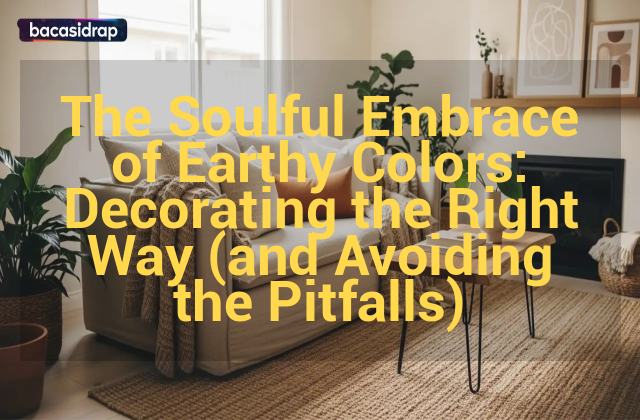
Ah, the whisper of the earth. Have you ever walked into a room and felt an immediate sense of calm, a grounding presence that wraps around you like a warm embrace? Chances are, you’ve just experienced the magic of earthy colors and decoration. For centuries, humans have sought comfort in shades drawn directly from nature – the terracotta of sun-baked soil, the deep green of a forest canopy, the serene beige of a sandy beach, or the warm rust of ancient stone. These aren’t just colors; they are a connection, an ancestral echo, promising tranquility and authenticity.
But here’s the thing about magic: it needs to be wielded with care. Many embark on the journey of infusing their homes with earthy tones, dreaming of a serene, nature-inspired sanctuary. Yet, just as many find themselves adrift in a sea of beige, a room that feels more bland than brilliant, more dull than dynamic. They might start with good intentions, choosing beautiful individual pieces, but somehow the overall effect falls flat, or worse, feels heavy and suffocating.
I’ve seen it happen countless times, both the triumphant transformations and the well-meaning missteps. This isn’t just about picking a paint swatch; it’s about understanding the soul of earthy colors and decoration, how they interact, how light plays with them, and how textures can elevate them from simple shades to a multi-sensory experience. Together, we’ll explore the subtle art of bringing the outside in, learning not just what to do, but crucially, what not to do, to create a home that truly breathes with the spirit of the earth.
What Are Earthy Colors, Anyway? Understanding Nature’s Palette
Before we delve into the dos and don’ts, let’s clarify what we mean by “earthy colors.” These aren’t your vibrant, saturated jewel tones or your stark, clinical whites. Instead, earthy colors are the muted, naturalistic hues found in the environment around us. Think of them as the unsung heroes of the color wheel, working tirelessly to create harmony and depth.
Common examples include:
- Terracotta & Rust: Warm, inviting reds and oranges, reminiscent of clay pots and autumn leaves.
- Sage & Olive Green: Tranquil, rejuvenating greens, like the leaves of a wise old tree or a peaceful meadow.
- Sand & Beige: Calming, foundational neutrals that echo beaches and desert landscapes.
- Ochre & Mustard: Rich, golden yellows with a touch of ancient warmth, like dried spices or sun-baked earth.
- Chocolate & Umber Brown: Deep, grounding browns that speak of fertile soil and sturdy tree trunks.
- Muted Blues & Grays: Serene, sometimes subtle blues and grays that evoke natural stone, vast skies, or deep, still waters.
Psychologically, these colors have a profound impact. They tend to lower stress, promote feelings of stability, comfort, and connection to the natural world. They provide a sense of authenticity and timelessness, making a space feel established and welcoming. When considering earthy colors and decoration, remember you’re not just choosing a hue; you’re choosing a feeling, a mood, a whole atmosphere for your home.
The Wrong Way: Common Mistakes in Earthy Color Decoration
Embarking on an earthy decor journey without a clear map can lead to some common pitfalls. Let me tell you a few stories of well-intentioned attempts that veered off course.
Mistake 1: Monochromatic Monotony – Drowning in Brown
The Wrong Way Story: I once visited a client who adored the idea of a “cozy, earthy living room.” She had painted all the walls a lovely, warm beige. The sofa was a slightly darker beige, the rug another shade of beige, and the curtains… you guessed it, beige. Even the wooden furniture seemed to blend seamlessly into the beige landscape. The result? A room that felt flat, uninspired, and frankly, a bit depressing. There was no visual interest, no focal point, just a vast, undifferentiated expanse of ‘earth’ that lacked any life.
The Right Way Tip: While earthy colors are wonderful, a singular shade, no matter how beautiful, can quickly become monotonous. The key to successful earthy colors and decoration is layering. Think about a forest floor: it’s not just one shade of brown. You have the dark soil, lighter fallen leaves, green moss, textured bark, and perhaps a glint of rock. Bring this variety into your home! Use varying shades of your chosen earthy palette, but crucially, introduce texture. A chunky knit throw on a smooth linen sofa, a jute rug over wooden floors, ceramic planters next to a rattan chair – these elements create depth and prevent your space from becoming a one-note song.
Mistake 2: Overdoing the “Rustic” – From Cozy Cabin to Cluttered Cave
The Wrong Way Story: Another client, captivated by images of rustic farmhouses, decided to go all-in. Every surface was distressed wood, from the dining table to the bookshelves. Heavy, coarse fabrics adorned every window and chair. Iron fixtures abounded, and antique implements hung on every wall. The intention was to create a cozy, cabin-like feel, but the execution was overwhelming. The room felt heavy, dark, and cluttered, like a prop department for a historical drama, rather than a welcoming home. There was no breathing room, and the beautiful rustic elements lost their charm amidst the sheer volume.
The Right Way Tip: Rustic elements are fantastic components of earthy colors and decoration, but balance is paramount. A few carefully chosen pieces of distressed wood furniture or a stunning antique accent can ground a room beautifully. However, when every item screams “rustic,” the effect can be suffocating. Pair rustic textures with smoother, cleaner lines. For example, a raw-edge wooden coffee table can look stunning with a sleek, minimalist sofa. Introduce lighter, airier fabrics (like linen or cotton) to balance heavy textures. Embrace negative space and allow individual pieces to shine. It’s about curated charm, not complete immersion.
Mistake 3: Ignoring Light and Scale – When a Beautiful Color Feels Off
The Wrong Way Story: A young couple, inspired by a gorgeous deep olive green they saw in a magazine, painted their entire north-facing bedroom this rich hue. In the magazine, with professional lighting and bright windows, it looked sophisticated and cozy. In their room, which received minimal natural light, it felt like a dungeon. The room, which was already on the smaller side, appeared even more cramped and oppressive. The color itself wasn’t bad, but its application was a significant mismatch for the room’s conditions.
The Right Way Tip: Light is a designer’s most powerful tool, especially when working with earthy colors and decoration. Darker earthy tones can create incredible drama and coziness, but they require ample natural light or thoughtful artificial lighting to prevent a room from feeling cave-like. For north-facing rooms or spaces with limited windows, opt for lighter earthy shades like sand, pale sage, or warm beige on walls. Reserve deeper tones for accents, furniture, or a single feature wall. Similarly, consider the scale of patterns. A large, bold earthy pattern might overwhelm a small room, while tiny, intricate patterns might get lost in a grander space. Always test paint swatches on your walls and observe them throughout the day to see how they truly appear in your unique lighting conditions.
Mistake 4: Disconnecting from the Outside – An Earthy Home, But No Earthy View
The Wrong Way Story: I once consulted for a homeowner who had meticulously crafted an earthy interior: beautiful natural wood furniture, linen curtains, ceramic art, and walls painted in muted, nature-inspired tones. Yet, the house felt strangely disconnected. Upon closer inspection, I realized the windows were often covered by heavy blinds, there were no houseplants, and the outdoor space, visible through the few open windows, was an untended concrete patio. The interior was trying hard to be earthy, but it lacked the vital link to actual nature.
The Right Way Tip: The essence of earthy colors and decoration is bringing the outside in. Don’t just mimic nature’s colors; invite nature itself into your home. Prioritize natural light by using sheer curtains or keeping windows unobstructed. Incorporate an abundance of houseplants – they not only add vibrant green but also improve air quality and provide a living connection to the earth. If you have an outdoor space, even a small balcony, make it an extension of your earthy interior with pots, natural seating, and outdoor greenery. The most harmonious earthy homes blur the lines between inside and out, making you feel truly immersed in a natural environment.
The Right Way: Mastering Earthy Colors and Decoration
Now that we’ve navigated the common pitfalls, let’s explore how to truly excel in creating a stunning, soulful earthy home.
Creating Depth and Interest with Texture
Texture is the secret ingredient that elevates earthy colors from pleasant to profound. Imagine a single beige wall – it’s nice. Now imagine that same wall but with a textured wallpaper, or layered with a chunky woven macrame hanging, or even just painted with a matte, chalky finish. The difference is palpable.
Examples of textures that sing with earthy palettes:
- Natural Fabrics: Linen, cotton, wool, jute, hemp. Use them in curtains, upholstery, throw blankets, and rugs.
- Wood: From smooth, polished oak to rough, reclaimed timber. Vary the finishes and types of wood.
- Stone & Ceramic: Planters, decorative bowls, tabletops, and backsplashes made from natural stone or handcrafted ceramics add an authentic, grounding element.
- Rattan & Wicker: Furniture, baskets, and light fixtures bring a light, organic feel.
- Metal: Muted brass, brushed bronze, or matte black iron can add a subtle industrial edge or warm glow.
Practical Tip: Layering textures is key. Start with a foundational texture (e.g., a smooth wooden floor), add a medium texture (a shaggy wool rug), then introduce finer textures (a silk cushion) and rougher ones (a terracotta planter) to create a rich, tactile environment. This layering is what makes earthy colors and decoration feel luxurious and inviting.
Harmonious Color Palettes: Beyond Beige
While beige is a wonderful base, the true beauty of earthy design lies in combining different natural hues. Think about the complexity of a landscape painting; it’s rarely just one color.
Here are some inspiring earthy color combinations:
- Terracotta & Sage: A vibrant yet calming pairing, ideal for creating warmth and a fresh feel.
- Sand & Olive Green: Soft and serene, perfect for bedrooms or tranquil living spaces.
- Rust & Deep Blue: A sophisticated, unexpected duo that offers depth and a touch of drama, reminiscent of a sunset over the ocean.
- Ochre & Chocolate Brown: Rich and cozy, evoking a sense of heritage and warmth.
- Muted Teal & Tan: A refreshing, slightly bolder combination that still feels grounded and organic.
Practical Tip: Use the 60-30-10 rule. Choose a dominant earthy color for 60% of the room (walls, large furniture), a secondary earthy color for 30% (curtains, smaller furniture, a rug), and an accent color for 10% (throw pillows, artwork, decorative objects). This ensures balance and visual interest.
Example Earthy Color Palettes and Their Moods
| Palette Name | Dominant Color (60%) | Secondary Color (30%) | Accent Color (10%) | Associated Mood |
|---|---|---|---|---|
| Desert Oasis | Warm Sand | Terracotta | Muted Teal | Calm, Warm, Invigorating |
| Forest Retreat | Sage Green | Deep Olive | Dark Wood Brown | Peaceful, Grounding, Natural |
| Coastal Earth | Light Beige | Dusty Blue | Driftwood Gray | Serene, Airy, Relaxing |
| Spice Market | Ochre Yellow | Rust Orange | Chocolate Brown | Rich, Cozy, Exotic |
| Mountain Stone | Light Gray | Charcoal Gray | Deep Forest Green | Sophisticated, Modern, Grounded |
Incorporating Natural Materials and Greenery
The essence of earthy colors and decoration isn’t just about paint; it’s about the very materials that make up your home. Embrace wood, stone, rattan, bamboo, and clay. These materials bring their own inherent texture, warmth, and story.
And, of course, greenery. Plants are living art, purifying the air and adding vibrant life to your earthy palette. From large, dramatic fiddle leaf figs to trailing pothos or delicate ferns, choose plants that thrive in your home’s conditions. Group them in varying heights and pot them in ceramic, terracotta, or woven baskets to maintain the natural aesthetic.
Practical Tip: Don’t just place plants; style them. Create small vignettes with plants, books, and natural objects. Consider vertical gardens for small spaces or hanging planters to add dimension. Let sunlight dictate plant placement, and remember to choose pots that complement your overall color scheme.
Balancing Modernity with Earthy Warmth
Earthy decor doesn’t mean you have to live in a rustic cabin. A beautiful trend in earthy colors and decoration is the fusion of clean, modern lines with organic warmth. Think Scandinavian design, which masterfully blends minimalist aesthetics with natural materials and muted palettes.
Practical Tip: If you love modern furniture, choose pieces in natural wood finishes, with simple forms and comfortable, textured upholstery in earthy tones. Pair a sleek, modern table with handcrafted ceramic dinnerware. Use minimalist art with abstract natural forms or landscapes. This blend creates a space that feels both contemporary and timelessly connected to nature.
The Art of Subtle Accents
Sometimes, just a touch is all you need. Earthy decor often benefits from small, impactful accents that tie the room together or provide a delightful surprise.
- Art: Choose abstract art in earthy tones, botanical prints, or landscape photography.
- Ceramics: Hand-thrown pottery, artisanal vases, and decorative bowls add a touch of handcrafted authenticity.
- Textiles: Throw pillows, blankets, and even textured wall hangings can introduce color and texture.
- Metals: A brushed brass lamp, a matte black picture frame, or a bronze sculpture can add a sophisticated shimmer.
Practical Tip: Think of accents as jewelry for your room. They should complement, not compete with, the overall outfit. Use them to draw the eye, add a touch of personality, or highlight specific areas.
Practical Application: Room by Room Ideas for Earthy Colors and Decoration
Let’s take our newfound knowledge and apply it to specific areas of the home.
Living Room: A Cozy Sanctuary
This is often the heart of the home, a place for relaxation and connection. For your living room, consider a large, comfortable sofa in a neutral earthy tone like sand or a deep olive green. Layer it with textured throw pillows in terracotta, rust, or muted gold. A large jute or wool rug can anchor the space, bringing warmth underfoot. Use wooden coffee and side tables, perhaps with a live-edge detail. Adorn shelves with ceramic vases, potted plants, and natural wood sculptures. Ensure lighting is warm and inviting, perhaps with dimmer switches to adjust the mood.
Bedroom: Serenity for Sleep
The bedroom is your personal retreat. Wall colors in soft sage, light beige, or a warm gray can create a calming backdrop. Opt for linen bedding in complementary earthy tones, layering with a chunky knit throw. Darker wooden furniture like a dresser or bedside tables can add grounding. Introduce soft, diffused lighting with bedside lamps featuring ceramic bases or natural fabric shades. A few well-placed plants and a piece of abstract art can complete the serene picture.
Kitchen: Heart of the Home, Naturally
The kitchen can be a surprising canvas for earthy colors and decoration. Consider cabinets in a soft sage green or a warm, natural wood finish. A backsplash of zellige tiles in a muted tone or a rustic brick can add texture and charm. Open shelving with handcrafted pottery, wooden bowls, and fresh herbs brings life. A large wooden dining table, perhaps paired with woven chairs, cements the earthy feel. Even small touches like a terracotta fruit bowl or a stone utensil holder make a difference.
Bathroom: A Spa-like Retreat
Transform your bathroom into a tranquil oasis. Tiles in natural stone, or large format tiles in a beige or light gray, can create a seamless backdrop. Wood accents in a vanity, mirror frame, or shelving warm up the space. Soft, fluffy towels in earthy tones, a few small plants (like ferns or succulents), and perhaps some artisanal soap dishes complete the look. Good lighting that mimics natural daylight, coupled with warmer task lighting, can enhance the spa-like atmosphere.
Checklist for an Earthy Room Makeover
- Define Your Core Palette: Choose 2-3 primary earthy colors.
- Assess Your Light: How much natural light does the room receive? This impacts wall color choices.
- Layer Textures: Identify opportunities for different textures (fabrics, wood, ceramic, metal).
- Incorporate Natural Materials: Look for furniture, decor, and finishes made from wood, stone, rattan, etc.
- Add Greenery: Select appropriate houseplants for your room’s conditions.
- Consider Lighting: Choose warm-toned bulbs and layer different light sources (ambient, task, accent).
- Curate Accents: Select art, ceramics, and textiles that complement and add personality.
- Connect to the Outdoors: Maximize natural light and views, or create outdoor extensions.
- Declutter: An earthy space feels grounded, not overwhelmed.
- Live With It: Let the space evolve. Earthy design is about natural flow, not rigid perfection.
Elevating Your Space: Expert Tips for Earthy Decor
For those looking to go beyond the basics, here are a few expert insights for truly mastering earthy colors and decoration:
- The Power of the Fifth Wall (Ceiling): Don’t overlook your ceiling! Painting it a slightly lighter shade of your wall color, or even a soft, muted earthy tone, can make a room feel cozier and more enveloped, enhancing the natural, cave-like comfort often associated with earth tones.
- Warm vs. Cool Earth Tones: Earthy doesn’t always mean warm. There are cool earthy tones like dusty blues, deep grays, and certain greens. Understand which direction your preferred palette leans. Warm tones (terracotta, ochre) create a cozy, inviting feel, while cool tones (sage, slate) can feel more serene and expansive.
- Sourcing Unique Pieces: Handcrafted items, vintage finds, and pieces sourced from local artisans add authenticity and character that mass-produced items simply can’t replicate. Look for pottery, woven baskets, unique wooden stools, or hand-painted ceramics. These pieces tell a story and contribute to the soul of your earthy home.
- The Importance of Scent: Extend the natural experience beyond sight and touch. Diffuse essential oils like sandalwood, cedarwood, pine, or lavender to create an olfactory connection to nature.
- Embrace Imperfection: Earthy decor celebrates the natural world, which is inherently imperfect. A slightly uneven ceramic pot, a weathered piece of wood, or a natural stone with unique veining adds character and authenticity. Don’t strive for sterile perfection; embrace the beauty of organic irregularities.
Frequently Asked Questions (FAQ) About Earthy Colors and Decoration
Q1: What are the most popular earthy colors for home decor right now?
A1: Currently, popular earthy colors include sage green, terracotta, warm beige, sand, and various shades of olive and muted browns. We’re seeing a strong trend towards greens that evoke nature and warm, sun-baked tones that provide a sense of comfort and grounding. Dusty blues and muted grays are also favored for their calming and sophisticated qualities.
Q2: Can earthy colors make a room feel dark or small? How can I avoid it?
A2: Yes, deeper earthy tones can make a room feel dark if not balanced correctly. To avoid this, use lighter earthy tones on walls in rooms with limited natural light. Incorporate reflective surfaces like mirrors, use sheer or light-colored window treatments, and ensure ample artificial lighting with warm bulbs. Layer various textures and introduce white or very light neutrals in trim, ceilings, or accent pieces to provide contrast and lift the space.
Q3: How do I incorporate earthy colors into a small apartment without it feeling cramped?
A3: In small spaces, focus on lighter earthy tones as your base for walls and large furniture. Use deeper or bolder earthy colors sparingly as accents in throw pillows, small rugs, or decorative objects. Prioritize multi-functional furniture, maintain clean lines, and ensure plenty of natural light. Incorporate mirrors to create an illusion of space, and use vertical elements like tall plants or shelving to draw the eye upwards.
Q4: What kind of lighting works best with earthy palettes?
A4: Warm-toned lighting (around 2700K-3000K) works beautifully with earthy palettes, enhancing their natural warmth and coziness. Avoid cool white or blue-toned lights, which can make earthy colors appear dull or washed out. Layer different types of lighting – ambient (overhead), task (reading lamps), and accent (spotlights on art) – to create depth and flexibility in mood.
Q5: How can I ensure my earthy decor doesn’t look boring or dated?
A5: To keep earthy decor fresh, focus on texture layering, incorporating modern elements, and mixing various shades within your chosen palette. Avoid relying on a single color or too many identical pieces. Introduce contemporary art, sleek lighting fixtures, or metallic accents to add a modern edge. Regularly update small decor items like throw pillows or vases to reflect current trends while maintaining the core earthy aesthetic.
Q6: Are earthy colors suitable for a modern minimalist style?
A6: Absolutely! Earthy colors are exceptionally well-suited for modern minimalist styles. They provide warmth and depth to often stark minimalist spaces without introducing overwhelming patterns or bright colors. Think clean lines, natural wood, concrete, linen fabrics, and a muted palette of sand, sage, and charcoal. The focus remains on form, function, and texture, aligning perfectly with minimalist principles.
Q7: What textures pair well with earthy tones?
A7: A wide range of textures complements earthy tones beautifully. Natural fibers like linen, wool, jute, and cotton are perfect. Wood (both rough and polished), stone, ceramic, clay, and even subtle metallics (like brushed brass or matte black iron) add depth and interest. The key is to layer these textures to create a rich, tactile experience that prevents the space from feeling flat.
Embrace the Earth, Transform Your Home
We’ve journeyed through the enchanting world of earthy colors and decoration, from understanding their inherent charm to navigating the common pitfalls and mastering the art of thoughtful application. You’ve seen that it’s not enough to simply pick a “natural” paint color; it’s about weaving a tapestry of textures, balancing light, embracing natural materials, and creating a harmonious flow that truly connects your home to the world outside.
The right way to decorate with earthy colors isn’t about rigid rules; it’s about thoughtful intention. It’s about creating a space that feels authentic, grounded, and endlessly comforting. A home that breathes, that welcomes, and that tells a story – your story – deeply rooted in the tranquil beauty of the earth.
Are you ready to infuse your living spaces with the soulful embrace of nature? To swap the bland for the beautiful, the cluttered for the curated, and the ordinary for the organic? Take these insights, look around your home with fresh eyes, and start envisioning the serene sanctuary that awaits. The earth is calling, and your home is ready to answer. Begin your transformation today, and let the enduring magic of earthy colors and decoration unfold in your personal haven.