Remember Sarah? Her living room was a place of shadows, even on the sunniest days. A deep sigh usually accompanied her entry, the space feeling more like a cave than a sanctuary. The heavy drapes, the dark furniture, the corners that stubbornly clung to gloom – it all contributed to an atmosphere that drained energy rather than inspired it. She’d tried adding more lamps, but the artificial glow only highlighted the problem, casting harsh pools of light that made the room feel even less inviting. Sarah, like many of us, was doing natural light in her living room the wrong way. She simply hadn’t realized the profound impact a well-lit space could have on her mood, her home’s aesthetic, and even her daily productivity.
But then, a revelation. A simple shift in perspective, a few deliberate changes, and her living room transformed. Suddenly, it was bathed in a gentle, invigorating glow. Colors appeared truer, the air felt lighter, and Sarah found herself drawn to the space, energized and uplifted. This isn’t just about brightness; it’s about life, vitality, and crafting a home that truly breathes. Join us on a journey to understand how to truly master natural light in the living room, moving from common pitfalls to brilliant solutions.
The All-Too-Common Pitfalls: Doing Natural Light in the Living Room the Wrong Way
Before we embark on the path to luminous living, let’s candidly examine where many of us stumble. It’s not always intentional; sometimes, we’re simply unaware of the subtle ways we sabotage our living room’s potential for natural radiance.
The Cave Dweller’s Error: Blocking Out the Brilliance
This is perhaps the most widespread transgression against good natural light in the living room. Imagine a scene: a beautiful window, framed by heavy, light-absorbing drapes that are rarely, if ever, fully opened. Or perhaps a magnificent bay window, but its sill is cluttered with an array of knick-knacks, books, and plants that act as an unintentional barricade. These seemingly innocuous choices create a fortress against the very light we crave.
- Heavy, Dark Window Treatments: Velvet, blackout lining, or simply drapes in deep, light-absorbing colors can steal a significant percentage of incoming light. Even when pulled open, they often stack at the sides, still partially obstructing the window pane.
- Cluttered Windowsills and Adjacent Walls: Every object placed directly in front of or very close to a window casts a shadow. A collection of plants, decorative items, or even bulky furniture can severely diminish the amount of light that enters and disperses throughout the room.
- Dark, Non-Reflective Surfaces: Imagine walls painted in a deep charcoal or a rich navy in a room that already struggles for light. These colors, while potentially stylish, absorb light rather than reflecting it, making the room feel smaller, darker, and more enclosed. The same goes for large pieces of dark furniture.
- Poor Furniture Placement: A common mistake is placing tall, solid-backed sofas or armoires directly in front of or beside windows, creating large visual and physical barriers that block light from spreading into the room.
The Glare Game: Too Much of a “Good” Thing?
On the flip side, some homeowners err by allowing uncontrolled, direct sunlight to dominate their living room. While abundant natural light is fantastic, unmanaged glare brings its own set of problems.
- Uncontrolled Direct Sunlight: A south-facing window can be a blessing, but without proper management, it can lead to intense glare, making it difficult to watch TV, read, or even hold a comfortable conversation. This also causes eye strain and can wash out colors in the room.
- Heat Gain: Direct, unfiltered sunlight streaming in can significantly increase the ambient temperature of your living room, especially during warmer months, leading to discomfort and higher energy bills as your AC works harder.
- Fading and Damage: Prolonged exposure to UV rays from direct sunlight can wreak havoc on furniture, carpets, artwork, and even hardwood floors, causing irreversible fading, discoloration, and material degradation.
- Lack of Diffusion: Without any element to soften or spread the light, the room can feel harsh and unwelcoming, with sharp contrasts between bright spots and deep shadows.
The Myth of “Enough”: Underestimating the Potential
Many people simply accept their living room’s current level of brightness as its unchangeable destiny. “It’s a north-facing room,” they’ll shrug, “it’s always going to be dim.” This passive acceptance misses a wealth of opportunities to amplify the available light and transform the space.
- Ignoring Directional Light: Failing to understand how light enters your room at different times of day and year prevents you from strategically maximizing it.
- Underestimating the Power of Reflection: Not recognizing that a simple mirror or a thoughtful paint choice can dramatically alter a room’s luminosity.
- Over-reliance on Artificial Light: While essential, artificial light should complement, not compensate for, a lack of natural light in the living room. If your lamps are always on, even during the day, it’s a sign you’re not fully utilizing nature’s bounty.
- Dismissing Small Changes: Believing that only major renovations can make a difference, when often, a series of small, smart adjustments can yield remarkable results.
To summarize some of these pitfalls:
| Wrong Way Practice | Immediate Consequence | Long-Term Impact |
|---|---|---|
| Heavy, dark drapes | Blocks light, makes room feel enclosed | Depressed mood, constant need for artificial light |
| Cluttered windowsills | Casts shadows, visual mess | Reduced light penetration, feeling of disorganization |
| Dark, non-reflective walls | Absorbs light, dulls space | Perpetually dim room, higher electricity bills |
| Uncontrolled direct sun | Glare, discomfort, heat gain | Eye strain, faded furnishings, higher cooling costs |
| Ignoring room orientation | Missed opportunities for strategic lighting | Suboptimal light throughout the day, inconsistent comfort |
Illuminating Insights: Embracing Natural Light in the Living Room the Right Way
Now that we’ve identified the common missteps, let’s pivot towards enlightenment. The good news is that optimizing natural light in your living room isn’t about expensive renovations (though they can certainly help), but often about thoughtful design choices and a deeper understanding of light itself.
The Grand Reveal: Unblocking the View and the Light
The first step to inviting more natural light is quite literal: remove the obstacles.
- Strategic Window Treatments:
- Sheer Curtains: These are your best friends for diffusion. They maintain privacy while gently filtering light, reducing glare, and creating a soft, ethereal glow.
- Light-Colored Blinds/Shades: Opt for white, off-white, or light neutral tones. Venetian blinds allow you to angle the slats to direct light upwards or outwards, controlling intensity without sacrificing brightness. Roman shades, when fully open, retract neatly, leaving the window largely unobstructed.
- Minimalist Hardware: Choose slim curtain rods that extend beyond the window frame, allowing drapes to be pulled completely clear of the glass.
- Declutter Your Windowsills: Treat your windowsills as prime real estate for light. Keep them clear or adorn them with minimal, transparent, or reflective items like a small glass vase or a single, small plant that doesn’t block much light.
- Furniture Placement with Purpose:
- Keep it Low: Avoid placing tall, solid furniture directly in front of or beside windows. If you must have furniture near a window, opt for low-backed sofas or open-shelving units that allow light to pass through.
- Create Clear Pathways: Ensure there are unobstructed paths for light to travel from the window into the deeper parts of the room.
Mastering the Glow: Diffusion, Reflection, and Amplification
Once you’ve cleared the way, it’s time to become an architect of light, using surfaces and colors to spread and enhance the natural radiance.
- Harnessing Reflective Surfaces:
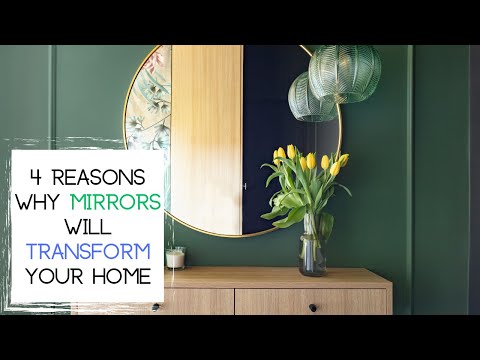
- Mirrors: These are arguably the most powerful tools for amplifying natural light in the living room. Place a large mirror directly opposite a window to bounce light deep into the room. Alternatively, position it on an adjacent wall to reflect light from a different angle. The bigger, the better.
- Glossy Finishes: Opt for furniture with a glossy lacquer, polished chrome, or metallic accents. A glass coffee table, for instance, allows light to pass through and reflect off its surface, rather than absorbing it.
- Shiny Accessories: Think polished metal lamps, decorative trays, or ceramic vases with a reflective glaze. Every little bit helps.
- The Power of Paint and Color Palette:
- Light Wall Colors: White, off-white, pale grays, light blues, and soft pastels are not just aesthetically pleasing; they are scientifically proven to reflect more light. A crisp white ceiling can make a room feel taller and brighter.
- Monochromatic Schemes: While not essential, a mostly monochromatic scheme with light colors can create a seamless flow that allows light to travel uninterrupted throughout the space.
- Varying Sheen: A satin or eggshell finish on walls reflects more light than a matte finish without being overly glossy.
- Thoughtful Furniture and Decor Choices:
- Lighter Fabrics: Choose upholstery in lighter colors and textures. A pale linen sofa will absorb less light than a dark leather one.
- Glass and Acrylic: Furniture made from transparent materials like glass coffee tables, acrylic chairs, or open-shelving units allow light to pass through them, preventing visual barriers.
- Sparse Decor: Avoid over-stuffing the room with too many bulky items. A minimalist approach often enhances the feeling of spaciousness and light.
- Indoor Plants (Used Wisely): While some plants near windows can block light, strategically placed, lighter-colored plants (e.g., snake plants, ZZ plants) can add life without significantly reducing brightness. Avoid large, dense plants directly in front of windows.
- Artificial Lighting as a Complement: Even with abundant natural light, artificial lighting plays a crucial role. Use it to fill in shadows, extend the feeling of brightness into the evening, and create warmth. Layered lighting (ambient, task, accent) ensures every corner is adequately illuminated when natural light fades.
Beyond the Pane: Architectural and Exterior Enhancements
For those considering renovations or building new, architectural choices can profoundly impact natural light in the living room.
- Window Types and Placement:
- Larger Windows: Simply increasing the size of windows is the most direct way to let in more light.
- Bay or Bow Windows: These project outwards, capturing light from multiple angles and adding architectural interest.
- Clerestory Windows: Placed high on a wall, near the ceiling, they provide light without sacrificing privacy or wall space.
- Skylights: For rooms with little wall space or internal rooms, skylights or sun tunnels can bring in overhead light, which is often the brightest.
- Internal Windows/Openings: If your living room shares a wall with a naturally bright room, consider adding an internal window or even an archway to borrow light.
- Door Options:
- French Doors: With multiple glass panes, they flood a room with light and offer a charming aesthetic.
- Sliding Glass Doors: Ideal for maximizing light and providing easy access to outdoor spaces.
- Glass Panels in Doors: Even a solid door can be enhanced with frosted or clear glass panels.
- Exterior Landscaping:
- Trim Overhanging Branches: If large trees or shrubs are blocking your windows, judicious pruning can make a significant difference.
- Light-Colored Exterior Surfaces: Light-colored patios, decks, or even exterior walls near windows can reflect more light into the living room.
Here’s a quick guide to some light-enhancing elements and their approximate impact:
| Element | Impact on Light | Best Use Case | Considerations |
|---|---|---|---|
| Large Wall Mirror | High (reflects 80-90% of light) | Opposite window, narrow rooms | Ensure it reflects something appealing, not a blank wall |
| Light-colored Paint (Walls) | Medium-High (reflects 60-80% of light) | All walls, especially in dim rooms | Consider undertones (warm vs. cool) |
| Sheer Curtains | Medium (diffuses light, reduces glare) | South/West-facing windows, privacy needs | May slightly reduce overall brightness |
| Glass/Acrylic Furniture | Medium (allows light to pass through) | Small spaces, areas near windows | Can show fingerprints easily |
| Glossy Finishes | Medium (reflects light off surfaces) | Furniture, decorative accents | Can appear stark if overused |
| Skylight | Very High (overhead light, consistent) | Rooms with limited wall windows, internal rooms | Installation cost, potential for heat gain, leaks |
| Trimmed Landscaping | Variable (depends on obstruction) | Any window blocked by foliage | Regular maintenance required |
Personalizing Your Living Room’s Luminous Narrative
Every living room is unique, and its interaction with natural light in the living room will be too. Understanding your specific circumstances is key to tailoring these strategies effectively.
Understanding Your Room’s Orientation
The direction your living room windows face is perhaps the most fundamental factor in its natural light profile:
- North-Facing Rooms: These receive consistent, cool, and even light throughout the day, but rarely direct sunlight. They often feel naturally dimmer. Best approach: Maximize reflection with mirrors and light colors, and avoid anything that would further dim the space.
- South-Facing Rooms: Bathed in bright, direct, and warm light for most of the day. This is fantastic but needs management to prevent glare, heat, and fading. Best approach: Utilize sheer curtains, blinds, or UV-filtering window films to diffuse and control the intense light.
- East-Facing Rooms: Enjoy beautiful, warm morning light, which then fades to a cooler, softer light in the afternoon. Best approach: Embrace the morning sun with minimal obstructions and consider slightly heavier treatments for the afternoon if afternoon glare is an issue.
- West-Facing Rooms: Receive intense, warm afternoon and evening light, often accompanied by strong glare and heat build-up, especially in summer. Best approach: Prioritize shading and diffusion to manage the harsh afternoon sun while still enjoying the evening glow.
Consider how these directional differences play out seasonally. The angle of the sun changes, meaning your light management might need slight adjustments between summer and winter.
Balancing Brightness with Comfort and Privacy
The goal isn’t just “more light” at any cost. It’s about achieving a comfortable, inviting balance:
- Layering Window Treatments: Combine sheer curtains with heavier drapes or blinds. The sheers can diffuse daytime light, while the heavier layer offers privacy and light control in the evenings or when direct sun is too intense.
- Zoning with Light: Use strategically placed light sources (even artificial ones) to create different zones within your living room. A bright reading nook by the window, contrasted with a softer, more intimate conversation area, can enhance functionality.
- Smart Home Integration: For the tech-savvy, smart blinds or shades can be programmed to adjust throughout the day based on sunlight levels, time, or even weather conditions, offering effortless light management.
FAQ: Your Burning Questions About Natural Light in the Living Room Answered
Q1: How much natural light is ‘enough’?
A: “Enough” is subjective and depends on your personal preference and the room’s function. However, generally, a living room with “enough” natural light feels bright, airy, and inviting without needing artificial lights during most daylight hours. You should be able to read comfortably, engage in activities, and appreciate true colors without harsh shadows or uncomfortable glare. If you find yourself consistently turning on lamps during the day, your living room likely needs more natural light.
Q2: Can mirrors really make a big difference?
A: Absolutely, yes! Mirrors are one of the most effective and affordable ways to amplify natural light. A large mirror placed strategically can reflect up to 90% of the light that hits it, effectively doubling the light from a window or spreading it into darker corners. Placing it opposite a window is the classic trick, but even on an adjacent wall, it can significantly brighten a space by reflecting light from another angle.
Q3: What if my living room has only one small window?
A: Don’t despair! You can still make a significant impact. Focus intensely on reflection:
- Keep the window completely unobstructed with minimal, light-colored, and easily movable treatments.
- Paint walls in the lightest, most reflective colors possible.
- Hang a large mirror directly opposite or on the wall perpendicular to the window.
- Incorporate glass, acrylic, and high-gloss furniture.
- Use clever artificial lighting to mimic and extend the natural light, perhaps with recessed lighting or uplighters.
Every reflective surface becomes crucial in such a room.
Q4: How do I prevent furniture from fading in sunlight?
A: Protecting your furnishings is vital:
- UV-Filtering Window Film: This clear film can be applied directly to windows to block harmful UV rays without significantly reducing visible light.
- Sheer Curtains or Blinds: These help filter direct sunlight, reducing its intensity and UV exposure.
- Rotate Furniture: Periodically rotating or rearranging furniture can help ensure even exposure and minimize localized fading.
- Choose UV-Resistant Fabrics: When purchasing new furniture, inquire about fabrics treated for UV resistance.
Q5: Are dark walls always a bad idea in a living room with limited natural light?
A: Not necessarily “bad,” but they require careful consideration. Dark walls absorb light, making a dim room feel even smaller and darker. However, if you love dark colors, you can use them strategically:
- Accent Wall: Use a dark color on one accent wall, keeping the others light and reflective.
- High Sheen: Opt for a dark paint with a satin or semi-gloss finish to reflect more light than a matte finish.
- Balance with Brightness: Compensate with abundant reflective surfaces (mirrors, glass), very light furniture, and brilliant artificial lighting.
- Understand the Mood: Darker rooms can create a cozy, intimate, or dramatic ambiance, which might be exactly what you’re after, but they won’t feel airy or expansive.
It’s a conscious design choice, not a mistake, if paired with intentional compensatory elements.
Conclusion: Let the Light In – A Brighter Future Awaits
From Sarah’s once gloomy living room to a space that now radiates warmth and energy, the journey from misunderstanding natural light to mastering it is transformative. We’ve seen the common pitfalls – the heavy drapes, the cluttered sills, the dark colors that steal precious light. And we’ve uncovered the brilliant solutions – the strategic placement of mirrors, the power of pale hues, the smart choices in window treatments, and even architectural considerations that can profoundly alter a room’s luminosity.
Embracing the right way to integrate natural light in the living room isn’t just about making a space brighter; it’s about enhancing your well-being, elevating your home’s aesthetics, and creating an environment that feels welcoming, alive, and inspiring. It’s about more than just light; it’s about life.
So, what’s your next step? Take a fresh look at your living room today. Walk over to your windows. What small, immediate change can you make to invite more of that beautiful, mood-lifting natural light in? Perhaps it’s pulling back those curtains a little wider, decluttering a windowsill, or simply imagining where a well-placed mirror could work its magic. Begin your own luminous narrative – your living room, and your spirit, will thank you for it.